One closed loop, run continuously. Every deployed robot feeds new data back into stage one, so the fleet gets better without waiting for a hardware refresh.
Tele-operated demonstrations collected inside 24 real furnished testbeds and partner homes — real light, real clutter, real interruptions.
Semantic labelling of objects, surfaces, fragility and household preference. Human reviewers resolve ambiguity before it reaches the model.
Each episode is cloned into thousands of physics variants — lighting, friction, object pose, room layout — and trained in parallel.
Candidates are replayed on physical robots under a standardised home benchmark. Nothing ships on simulation scores alone.
Verified skills are packaged and pushed over the air, versioned, rollback-safe, and scoped to the specific robot platform.
Failure cases, tele-op interventions and user corrections are auto-triaged back into Capture — the flywheel never stops.
The data flywheel: more homes → more edge cases → better skills → fewer interventions → more homes. Competitors can buy the same arm we train on. They cannot buy the loop.
Three physical assets that software-only competitors cannot replicate: real homes, a human tele-op fleet, and a benchmark that refuses to lie.
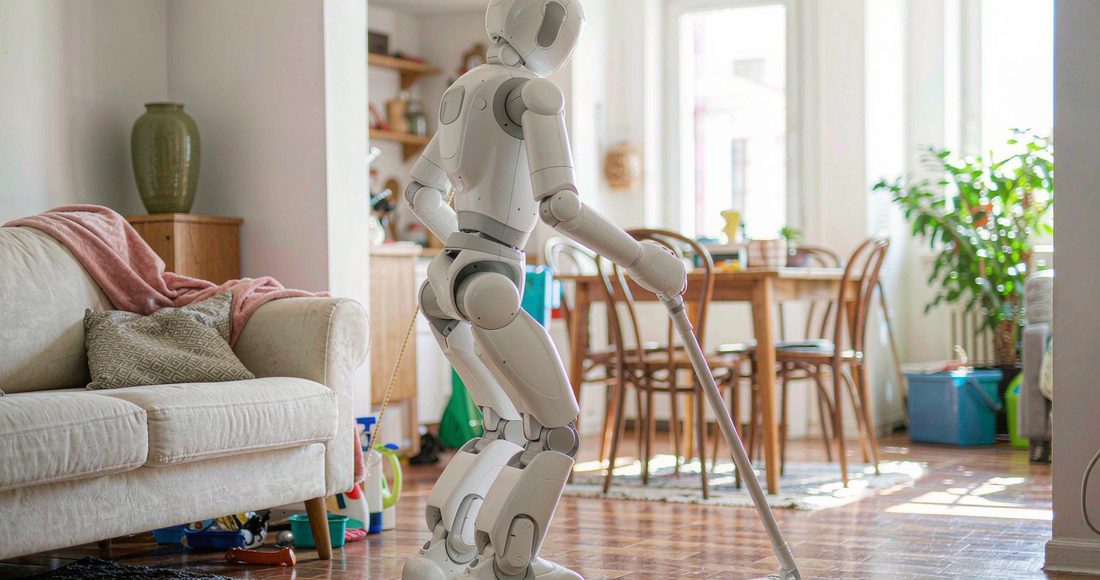
24 furnished apartments in Suzhou and Shenzhen — studio to three-bedroom, with pets, children and deliberately imperfect layouts.
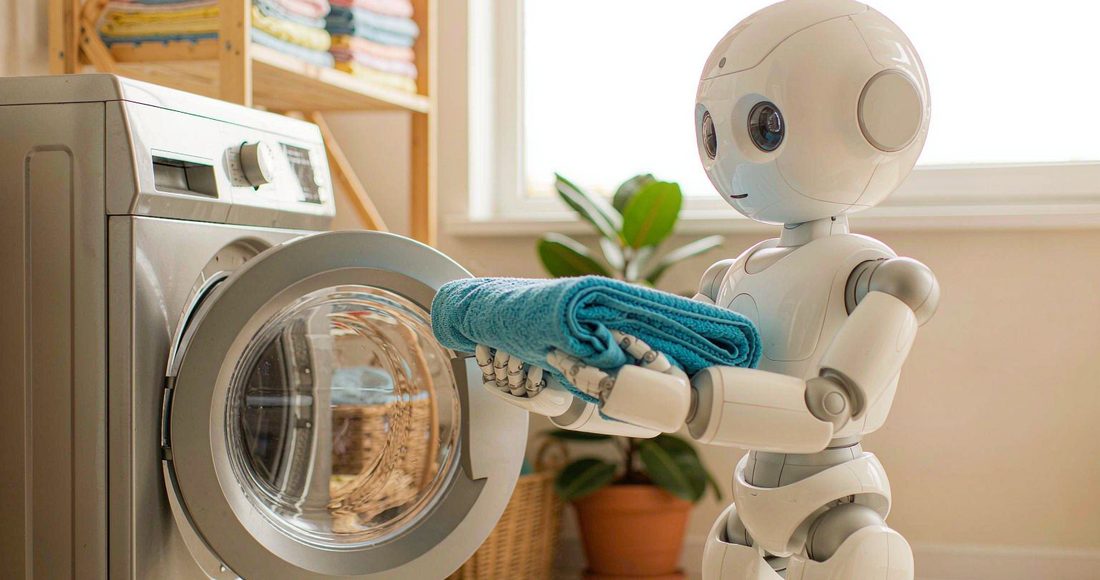
Trained operators collect demonstrations and take over on failure. Every takeover is logged, triaged and converted into training data.
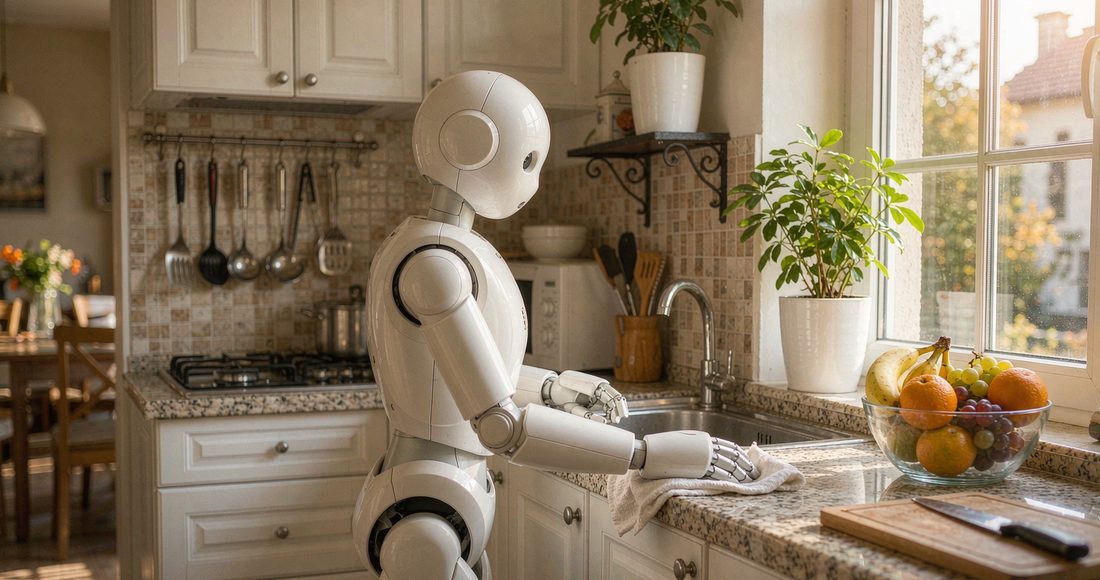
A GPU cluster replays each episode across thousands of physics variants; HomeBench-200 scores the result on real hardware before release.
Tele-op safety net with a median takeover time under 8 seconds.
Simulation multiplier per captured real-world episode.
Median time from field failure to certified skill fix.